Insurance Industries About Contact (818) 356-8150 Get a Quote
Industry Specialty

Janitorial Insurance for Cleaning Contractors

Cleaning contractors handle hazardous chemicals, work unsupervised in client facilities, and face constant slip-and-fall exposure. We build insurance programs that address bonding requirements, workers' comp exposure for high-frequency musculoskeletal injuries, chemical liability, and access/key liability specific to the janitorial industry.

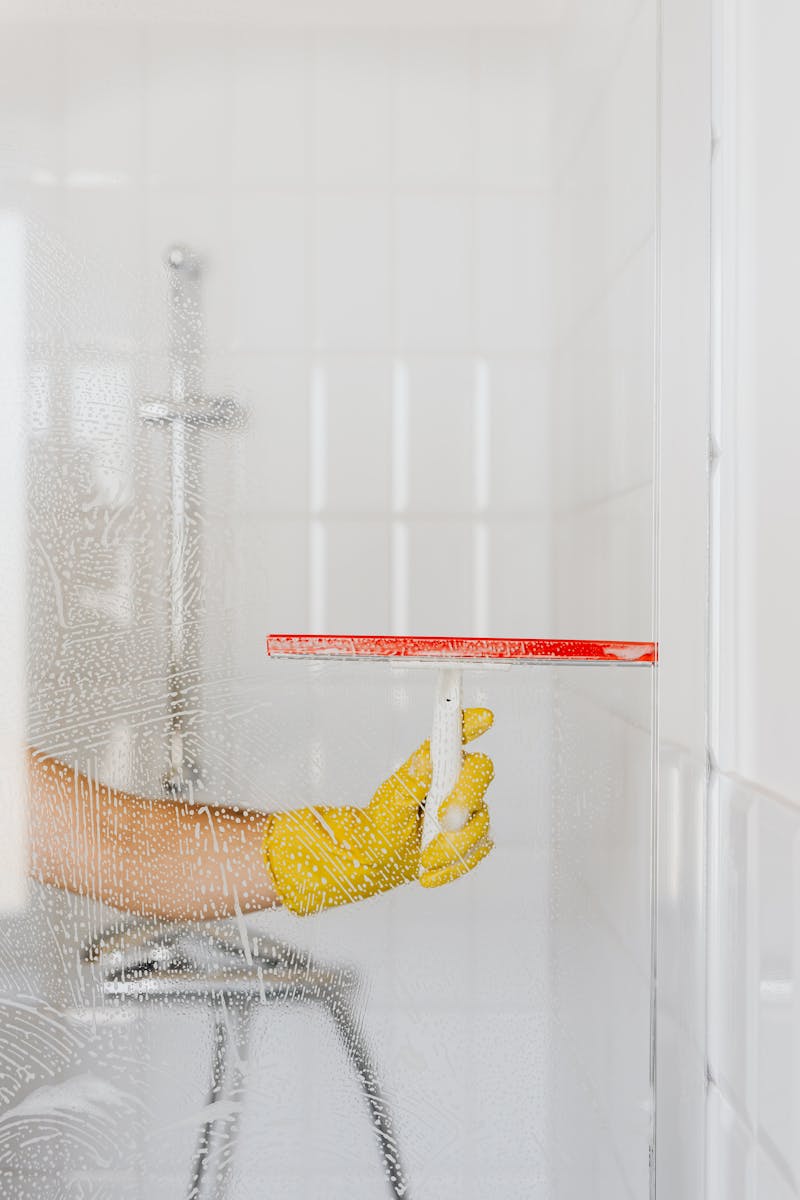
Professional janitorial worker cleaning commercial space
Licensing & Bonding

D-63 License, Janitorial Bonds, and CSLB Requirements

California janitorial contractors operating as independent contractors (rather than direct employees of a facility) are regulated under CSLB's classification system. A janitorial contractor holding a CSLB Class D-63 Janitorial Contractor license must comply with workers' compensation insurance and bonding requirements equivalent to other CSLB trades.

D-63 License and Insurance Requirements

The D-63 janitorial contractor license requires a $12,500 license bond issued to the CSLB, plus workers' compensation insurance for any employees. Many janitorial contractors operate as sole proprietors with no employees, thinking WC is not required. This is incorrect — if a janitorial contractor has even one part-time or seasonal employee, they must carry California workers' comp insurance. California's Division of Workers' Compensation has no exemption for small janitorial businesses.

Additionally, many facilities require janitorial contractors to carry GL insurance and name the facility as an additional insured. This is a contractual requirement, not a legal mandate, but facilities increasingly enforce it to manage their own insurance exposure.

Janitorial-Specific Insurance Bonding

Beyond the CSLB license bond, many property managers and facility owners require janitorial contractors to post a janitorial or performance bond guaranteeing work completion and liability coverage. These bonds are separate from license bonds and can range from $5,000 to $50,000+ depending on contract scope and property size. We coordinate with surety providers to ensure your bonding capacity supports your contract pipeline.

Coverage & Claims

General Liability, Slip-and-Fall, Chemical Exposure, and Access Liability

Janitorial contractors face three primary liability exposures: incidents they cause while cleaning (slip-and-fall), chemical injuries, and liability arising from unsupervised access to client facilities.

Slip-and-Fall Liability

A wet floor where the janitor was cleaning causes a customer or employee to slip. A cleaning chemical incorrectly applied makes a surface slippery. These are classic GL claims, and they're frequent in the janitorial industry because the nature of the work creates slipping hazards. Your GL policy must include premises liability and contractual liability (to cover indemnity clauses in your facility contracts). $1,000,000 per occurrence is standard; larger facilities may require higher limits.

Chemical Exposure and Hazmat Claims

Chemical exposure claims fall into two categories: employee injuries from handling chemicals (workers' comp) and third-party injuries from improper chemical application. A janitor's allergic reaction to cleaning products, chemical burns from improper mixing, or a customer's reaction to residual chemicals left on a surface — these create GL claims. Some GL policies exclude chemical liability or require an endorsement. Your policy must explicitly cover liability arising from cleaning chemicals used in the scope of your work.

Cal/OSHA requires janitorial contractors to provide employees with proper safety equipment (gloves, respirators), chemical safety training, and Material Safety Data Sheets (MSDS) for every chemical used. Violations result in citations that directly increase your workers' comp experience rating by demonstrating negligence in loss control.

Access Liability (Keys, Codes, and Theft)

Janitorial contractors work unsupervised in client facilities with keys, access codes, and knowledge of facility security. If a contractor is suspected of theft, an employee uses their access to commit theft, or property goes missing while a janitorial contractor had keys — the facility holds the contractor liable. Access liability coverage responds to allegations that the contractor or their employees stole or failed to secure property. This coverage is often excluded from standard GL policies or requires an endorsement.

Workers' Compensation for Janitorial Workers

Janitorial work generates high-frequency musculoskeletal injuries: back strain from lifting, shoulder injuries from repetitive motion, and repetitive stress injuries. California workers' comp class codes for janitorial workers include:

  • 9008 — Janitorial service, inside only
  • 9014 — Janitorial service, mixed (inside and outside)

These codes have moderate-to-high injury frequency. An active loss control program — proper lifting techniques, equipment use, employee training — reduces your experience rating. We audit payroll to ensure proper code assignment and help identify opportunities to reduce injury frequency.
Risk Management

Safety Procedures, Employee Training, and Contract Management

Risk management in the janitorial industry focuses on reducing the frequency of slip-and-fall incidents, chemical exposure, and theft allegations through documented safety procedures and employee training.

Chemical Safety and HAZMAT Compliance

Cal/OSHA's Hazard Communication Standard requires janitorial contractors to maintain Material Safety Data Sheets (MSDS/SDS) for every chemical in use, provide employees with chemical safety training (minimum annually), and ensure employees know proper handling, storage, and emergency procedures. Documented training reduces your experience rating and demonstrates due diligence if an injury claim arises.

We provide customized chemical safety training materials and MSDS coordination tools specifically for janitorial contractors. This investment in safety documentation directly reduces your WC experience rating and protects you defensively in litigation.

Slip-and-Fall Prevention Protocols

Wet floors, cleaning equipment left in walkways, and electrical cords across floors create slip-and-fall hazards that are directly attributable to your operations. Documented procedures for wet floor signage, equipment storage, and walkway management reduce both frequency and severity of claims. We help you develop and document these procedures so they're defensible in any litigation.

Facility Contracts and Indemnity Language

Before taking on any facility as a client, have an attorney review the cleaning contract. Many facilities include indemnity language that attempts to hold you liable for incidents you don't cause — the facility's own negligence, other vendors' actions, or conditions that existed before you arrived. These contract terms are often uninsurable under California law and create unquantifiable liability. We recommend reviewing facility contracts before you sign, identifying problematic language, and negotiating modifications.

Additionally, clarify your scope of work in writing. If a facility manager verbally asks you to perform work outside your contract (power wash a roof, handle hazardous waste), get written authorization. These informal scope expansions create liability exposure that insurance may not cover.

Frequently Asked Questions

Janitorial: What You Need to Know

Yes, if you have any employees — even part-time or seasonal. California has no exemption for small janitorial businesses. You must carry workers' comp insurance. Additionally, if you hold a CSLB D-63 janitorial license, you need a $12,500 license bond issued to the CSLB.

The D-63 is a CSLB license for janitorial contractors. It requires a $12,500 license bond, workers' comp insurance for any employees, and compliance with CSLB regulations. You can search the CSLB database to verify your license status and any complaints.

That depends on your facility contracts. Many property owners and managers require a janitorial or performance bond guaranteeing work completion and liability coverage. This is contractual, not legal, but increasingly common. Bonds can range from $5,000 to $50,000+ depending on contract scope and property size.

Access liability covers allegations that a janitor or their employees stole property or failed to secure the facility. Since you work unsupervised with keys and access codes, facilities can hold you liable for property that goes missing during your service. This coverage is often excluded from standard GL policies.

Class codes 9008 (inside only) and 9014 (mixed inside/outside) apply to janitorial workers. These have moderate-to-high injury frequency. Proper lifting techniques, equipment use, and documented training reduce your experience rating and injury frequency.

Yes. Cal/OSHA's Hazard Communication Standard requires you to maintain Material Safety Data Sheets (SDS) for every chemical, provide annual training to employees on chemical safety, and ensure they know proper handling and storage. Documented training is both legally required and defensible in court.

Have an attorney review contracts for indemnity language that attempts to hold you liable for the facility's own negligence or other vendors' actions. Many facility contracts include uninsurable terms. Additionally, clarify scope of work in writing — don't accept verbal requests to expand scope beyond your contract, as these create uninsurable liability.

Ready to build a smarter insurance program?

Talk to an advisor who actually understands your industry. No call centers, no generic quotes — a real conversation about your business.

Start a conversation
Or call directly: (818) 356-8150